
Physiotherapy or wait it out? How to know when to book
Not every ache needs a physio, but waiting too long doesn't help either. Here are clear signs to know when it's worth booking and what to expect.
If you spend the day at a computer and your back feels loaded, it's no coincidence. We explain why it hurts and what you can change today to feel the difference.
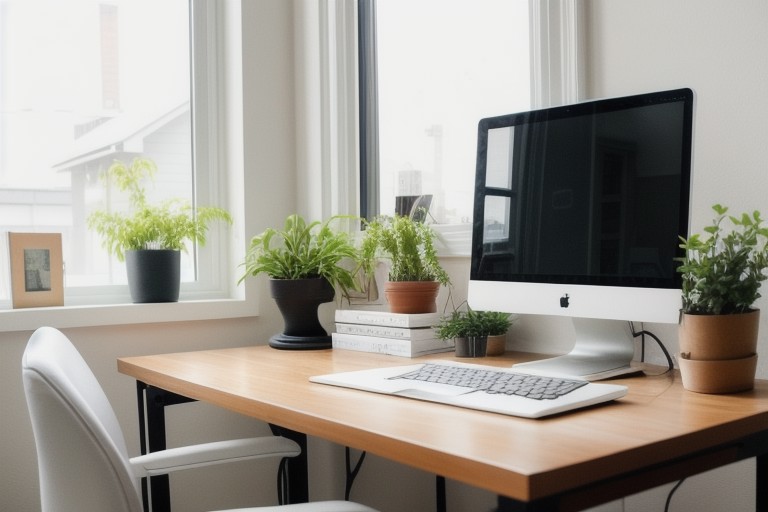
You spend eight hours at the computer and, by the end of the day, your back feels heavy. At first it was only in the afternoons; now you wake up loaded too. It’s not that you’re “doing it wrong”: the human body isn’t designed to stay still for so many hours in a row, and sitting to work without breaks or adjustments takes its toll on almost everyone.
The good news is that this kind of back pain responds very well once you understand where it comes from and act on it. Here’s why it appears and what you can change starting today.
It’s not sitting itself, but holding the same posture for hours. When you don’t move, the muscles that support your spine work in constant tension, get tired and end up complaining with pain or stiffness. On top of that, three very common factors:
That’s why the pain is usually diffuse and persistent, more of a load than a sharp stab, and worse at the end of the day or after a weekend on the sofa.
The best “exercise” for an office back is to break the stillness. Stand up, walk for a minute, stretch. You don’t need a long routine: frequency matters more than duration.
The top edge of the monitor should be at eye level. That way your neck stops pushing forward, which is one of the most common causes of neck tension and headaches.
Sit all the way back in the chair and use the backrest. A small cushion in the lumbar curve can completely change how your back feels at the end of the day.
Flat feet on the floor and forearms supported stop your shoulders from living “in tension”. Check them several times a day: they creep up on their own.
You don’t need the gym. A simple, well-guided strength routine for your back and abdominal muscles helps you handle the hours of sitting better. It’s the part that holds the result in the long run.
Office back pain you’ve been dragging around for weeks rarely goes away on its own. The sooner it’s assessed, the easier it is to stop it before it settles in.
If the pain has lasted more than two or three weeks, wakes you at night, runs down your leg or limits your work, it’s time for someone to look at it. Not to give you “the usual massage”, but to assess where it comes from and give you a concrete plan.
At FisioSentis we start by listening to your case and looking at how you move. We tell you honestly what’s going on, treat it and teach you what to change in your daily life so it doesn’t come back. We’ve been doing it in Zaragoza for over 15 years, with more than 160 five-star reviews.
Is your back loaded almost every day? Book an assessment online in under two minutes, message us on WhatsApp or call us: we’ll guide you with no obligation.
Not every ache needs a physio, but waiting too long doesn't help either. Here are clear signs to know when it's worth booking and what to expect.

You've had a pain for years that comes and goes but never leaves. The tests show nothing serious. We explain what's really happening and what can be done.

You treat the knot, feel better for a few days and it returns. If that sounds familiar, the problem isn't the knot: it's what causes it. We explain how to tackle the root.
Book an assessment and we’ll tell you honestly how we can help.
Individual assessment
Book online in under 2 minutes or message us on WhatsApp. We’ll guide you based on your pain, availability and goals.